
Fall’s here! Fall begins with the letter “f,” kids! There are lots and lots of other words that begin with the letter “f,” now that fall is here! Can you think of any? I know can! Like…”f******” leaves to rake! “F******” snow tires to drag out of the garage! “F******” heating bills I can’t afford! “F******” pumpkin spice everywhere you “f******” turn! “F******” elections that are fixed! And “f******” sitting alone in your den, drinking heavily on a dark, rainy afternoon, cleaning the pistol your old man blew his brains out with, while you mentally flip a coin to see if you should just f****** follow suit! Can you think of any others? You can? Great! So remember: Fall means f****** fun!”
It also means watching scary DVDs when you realize you’re out of ammo, and the drinking will eventually achieve the same result, anyway.
By Paul Mavis
Out of all the thousands of horror titles I’ve watched over the years, I still routinely return to the ones I saw as a kid, such is the obvious primal pull of remembered childhood terrors (to be fair, no spookums movie can compete with the memory of your mother sending you off for the first day of 6th grade in a full matching “Garanimals” ensemble). Chances are, if you were a kid in the early 1970s, you remember a seminal moment in TV history: The Night Stalker, a made-for-television movie premiering on ABC on January 11, 1972, produced by Dan Curtis, of Dark Shadows fame, directed by John Llewellyn Moxey, written by horror legend Richard Matheson, and starring Darren McGavin as rumbled journalist/vampire slayer, Carl Kolchak. The response to the show was phenomenal, racking up the highest rating ever for a television movie (according to Nielsen, 48 percent of the entire viewing audience in America, tuned in that night—a remarkable achievement), while truly scaring its audience.
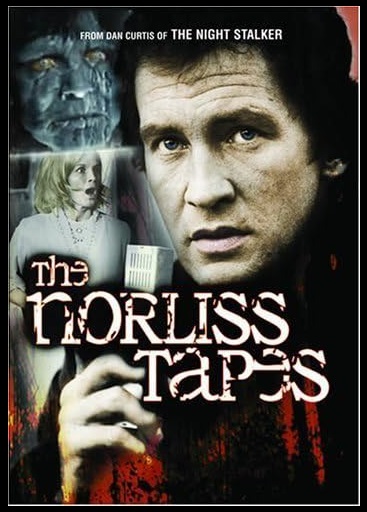
So of course, in television, like any other business, success breeds desperate imitation. Dan Curtis was feted by every network to come up with another Night Stalker, so for NBC, Curtis delivered The Norliss Tapes, a television pilot featuring a burnt-out, scared writer involved in a deadly supernatural story that could spell his doom. It starred Roy Thinnes, Don Porter, Angie Dickinson (I feel faint…), and Claude Akins. It was co-written by veteran William F. Nolan, and produced, written and directed by Dan Curtis.
Click to order The Norliss Tapes on DVD:
(Paid link. As an Amazon Associate, the website owner earns from qualifying purchases.)
The Norliss Tapes premiered on NBC on February 21, 1972, and, compared to The Night Stalker, did nothing in the ratings (perhaps the first sight of Nixon in China turned everyone off TV that night…). It wasn’t picked up by NBC as a series, and it pretty much disappeared from the pop culture radar, except for occasional late-night repeats on TV throughout the decades.
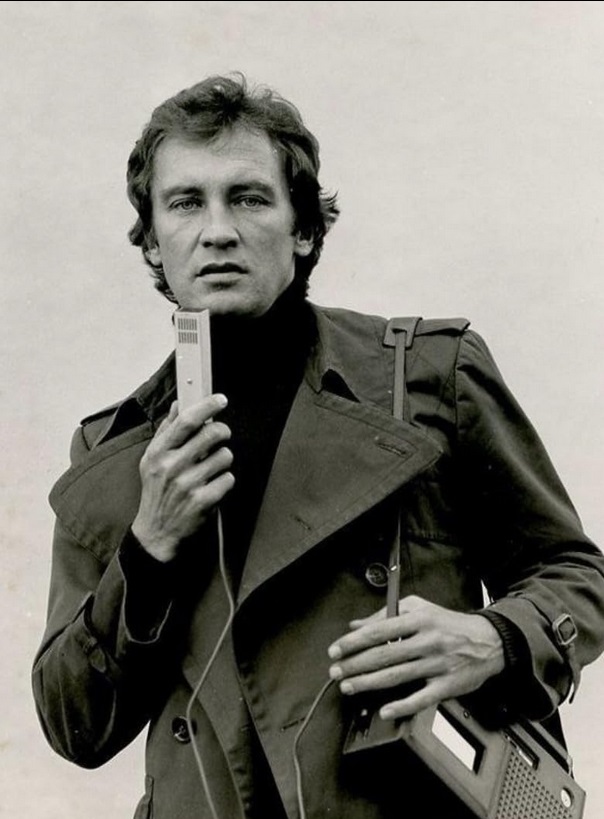
I certainly remember my anticipation to watch The Norliss Tapes when it first premiered; I thought, like everyone else, that it was going to be another Night Stalker. And it did scare me when I was a kid. But it didn’t stay in my mind like The Night Stalker did (which gave me freaked-out nightmares for weeks), and quite frankly, I forgot about it years later. Watching it today, it’s easier to see what’s wrong with The Norliss Tapes, and why it didn’t succeed.
A movie’s intended tone seems to be the hardest element to get right (especially when the movie has to be ground out quickly, on a low budget, for television). So many factors can alter it during production, despite the production team’s best efforts. For The Norliss Tapes, what is utterly lacking, and which made The Night Stalker so successful, is a sense of humor. That brilliant effort mixed humor and horror expertly, with one tone feeding off the other, building the feel of the movie to such a point that you were laughing and screaming at the same time.
In The Norliss Tapes, we’re left with a pretty glum enterprise. I’m not saying it has to be a comedy; after all, The Exorcist, released later that same year, didn’t have a whole lot of yocks in it, either (I do admit to cracking up, though, every time Regan makes sissy on the carpet). But television is the great equalizer. Much of the audience is watching a particular show with a myriad of distractions going on (screaming kids, bathroom breaks, commercials, and now of course, cell phones). To keep them hooked, you had better get their attention, fast.
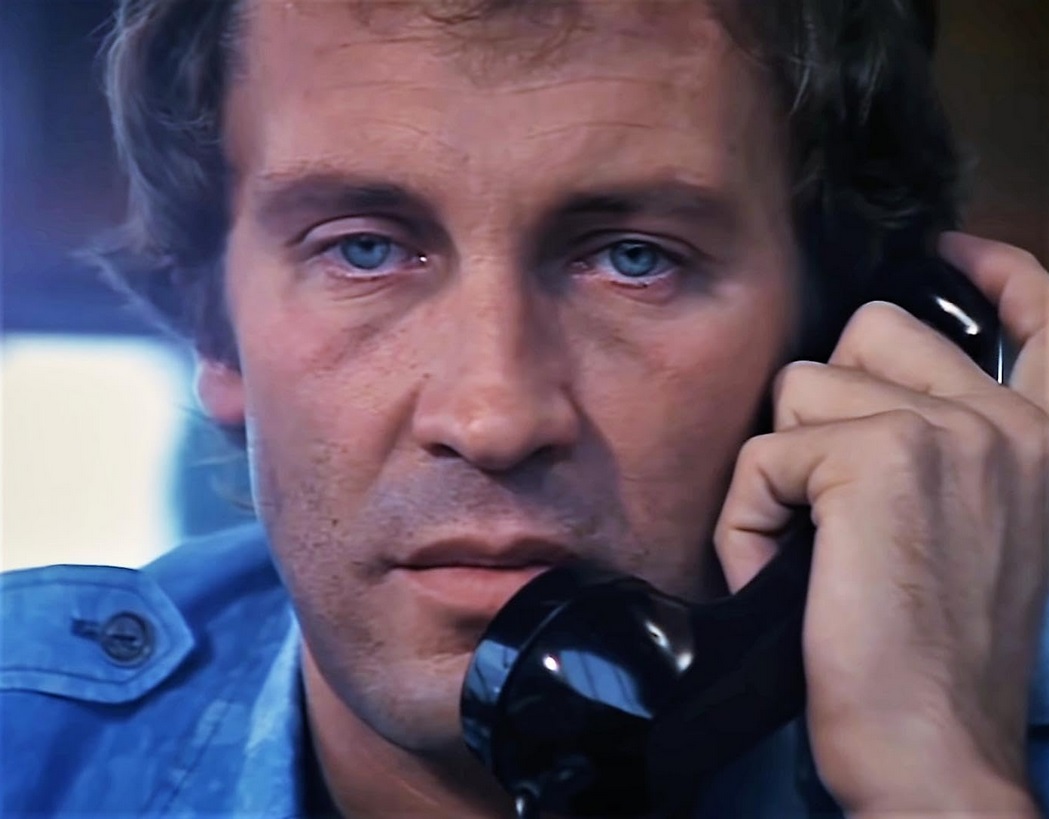
And at first, the downbeat, rainy-weather horror/film noir mood of The Norliss Tapes works. We have quite a few of the hallmarks of noir: a haunted, troubled protagonist (who may indeed be already dead at the very start of the movie); hard-boiled narration delivered in a flat, uninflected style reminiscent of that genre; a beautiful heroine at the center of the mystery; rainy, wind-swept locales that offer no psychological relief; all tied together with a gloomy, pessimistic approach to the material.
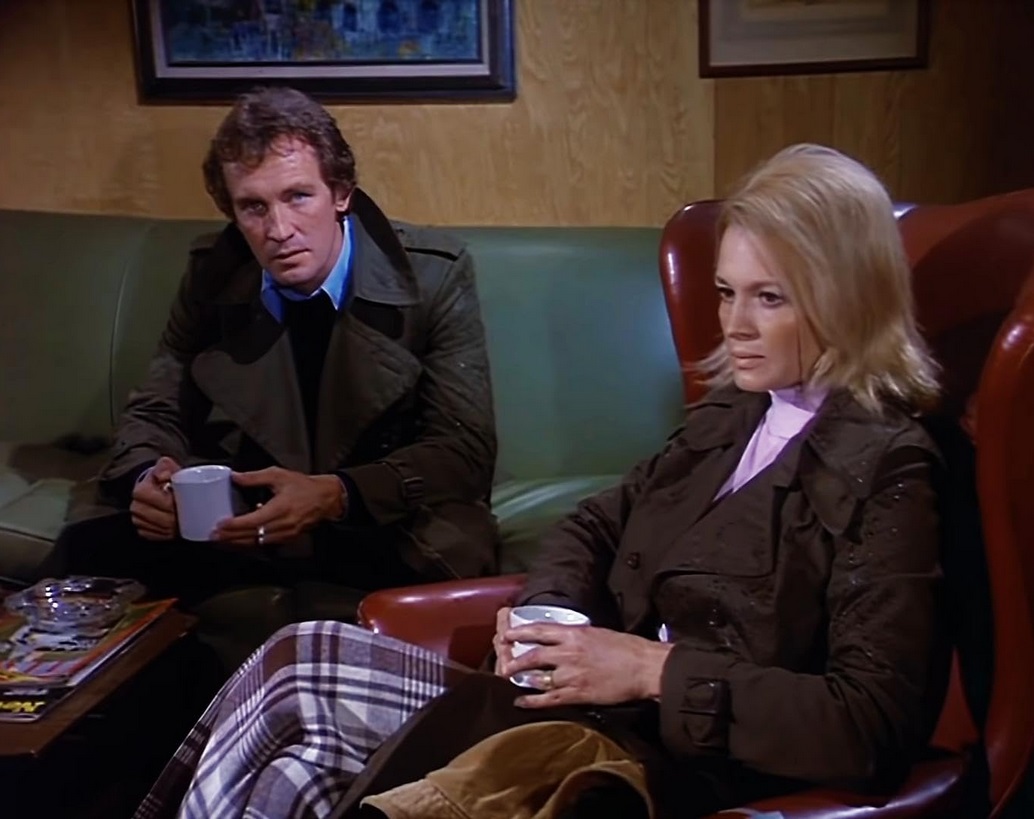
But something goes wrong very quickly with The Norliss Tapes. When you really start to listen to the narration, you realize that perhaps they picked the wrong actor to star. Roy Thinnes was never a name performer, and his performance here might point out why that was. While he seems to be trying for “haunted and intense” in The Norliss Tapes, he only manages “listless and uninvolved.” The lines, when read by him, sound faintly ridiculous; they’re not the best lines in the world, anyway, but that shouldn’t hurt a good actor (go back and listen to some noirs of the 40s, with tough guys like Bogart and Mitchum delivering goofy lines—they still work).
RELATED | More 1970s film reviews
Just listen to the narration in The Night Stalker: Darren McGavin is an actor having the time of his life reading Matheson’s clever dialogue, and it translated to the audience. There’s real “joy of performance” with McGavin. Thinnes has no such connection with the material—or the audience. And his on-screen performance offers no real pleasures, either; he alternately appears bored or distracted. He’s clearly slumming.

The Norliss Tapes‘ story is rather desultory, as well. Scenes are put next to each other, but there’s no internal rhythm to them, no driving force that makes us anticipate the next scene (which The Night Stalker had in spades). The audience can’t get behind David Norliss, because during big sections of the film, he’s gone. There’s a lot of Claude Akins (which doesn’t bother me, Lobo) for an actor that’s not even listed on Anchor Bay’s DVD box.


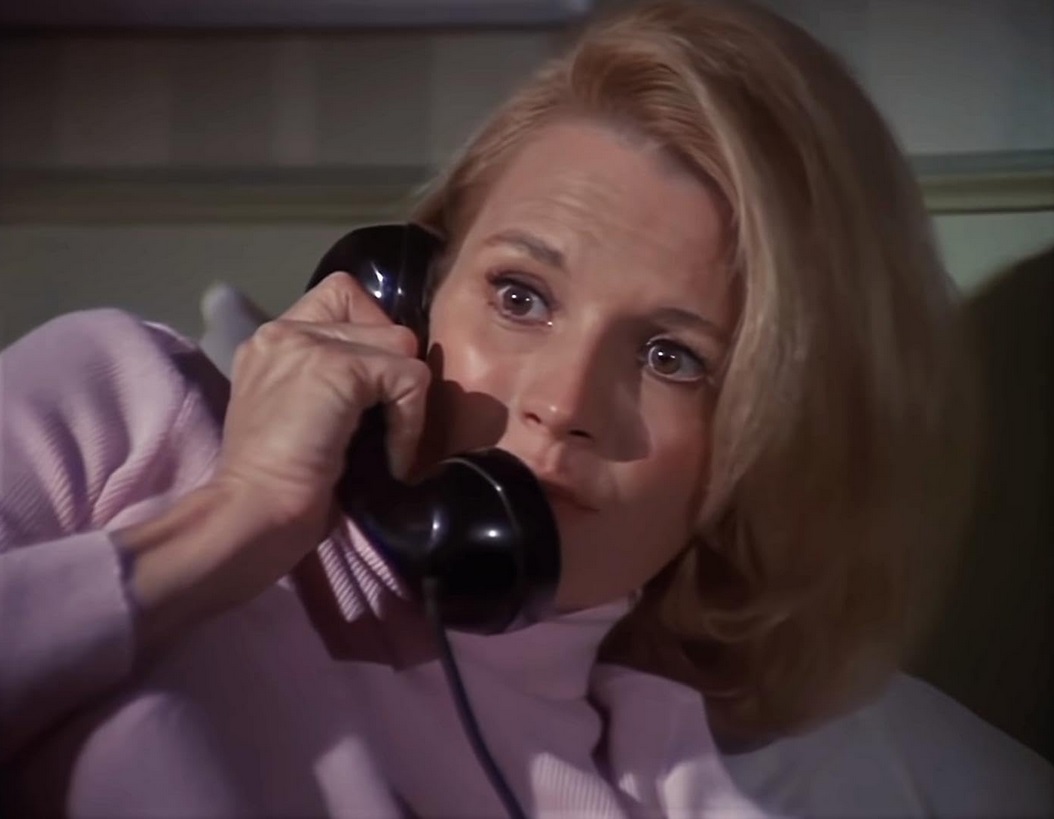
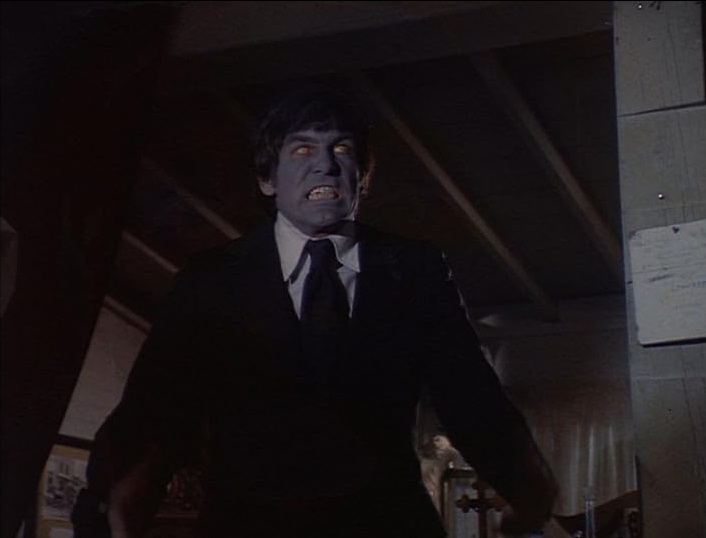
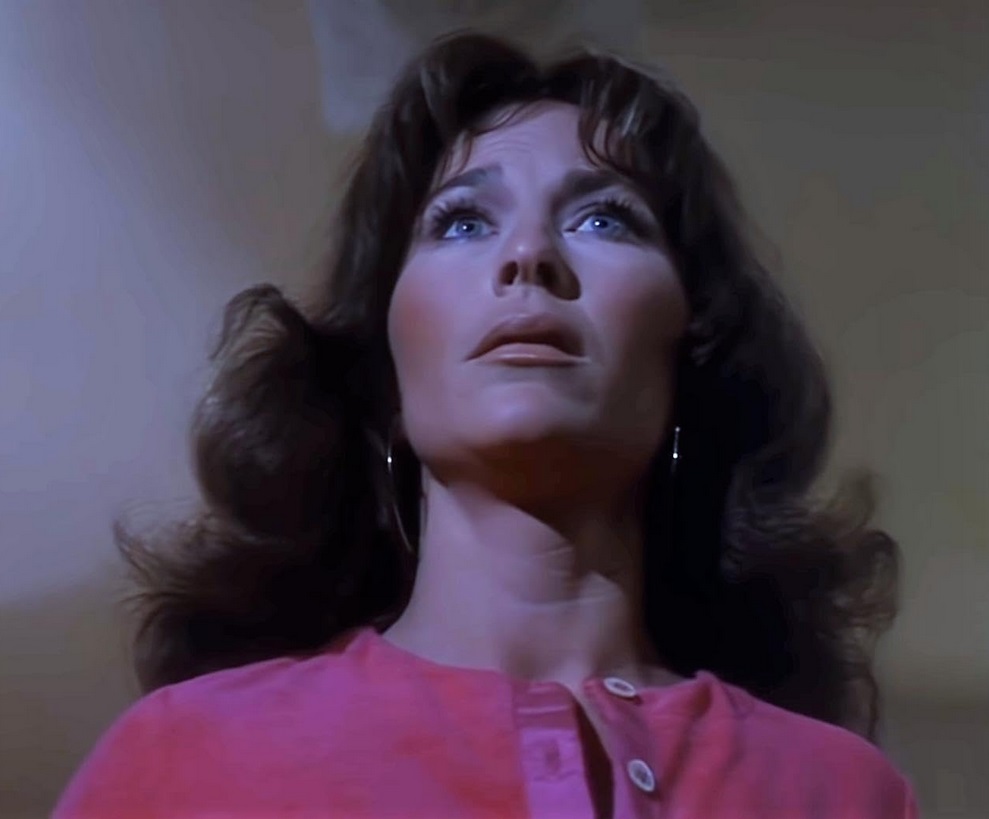
As for the story’s hooks—the scare scenes—they’re pretty good, but entirely too brief to be of use for the average horror fan. Angie Dickinson‘s (who’s utterly wasted here in a nothing role) initial encounter with her dead husband seems like it’s going to be a beaut…but it’s over before you know it. Likewise with the corpse chasing Thinnes and Dickinson in their car; there’s some good action, but not nearly enough to support the rest of the movie’s exposition.

There is a memorable moment where a woman pulls back her drapes to reveal the corpse staring at her (probably the only memorable image from the show), but the scene immediately fades out just as it gets going. Of course, this was 1972, and it was television, but The Night Stalker had the same restrictions on it, and it still scares people today. So what we have is a failed hybrid: a detective story masquerading as a horror movie, with neither genre being particularly well served.
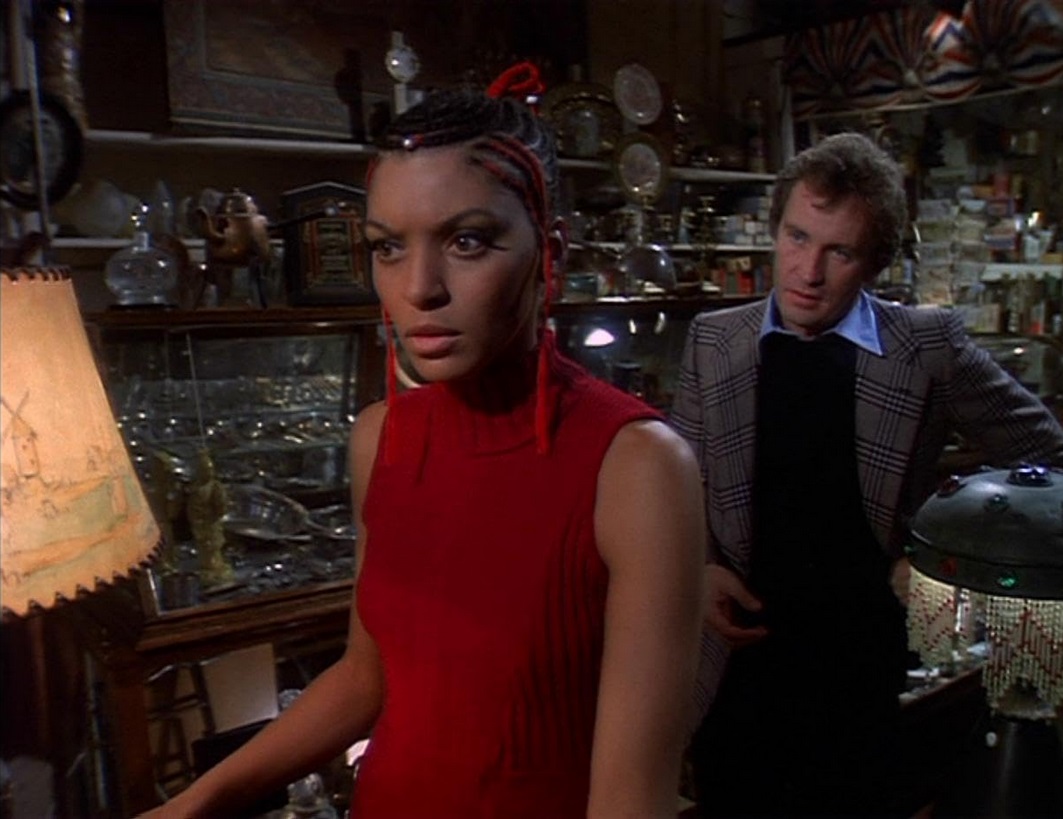

I’m a huge fan of Dan Curtis’ directing. Trilogy of Terror, with Karen Black, remains one of the best television movies of the 1970s, and The Winds of War and War and Remembrance in particular, are two of the best miniseries ever made (with War and Remembrance, in my mind, rivaling Spielberg’s Schindler’s List for its harrowing depiction of the Holocaust). He has an instantly recognizable style (shooting low and deep, often behind cluttered desks and chairs, with super-fast zoom-ins) that’s perfectly suitable to dramatic television short-hand.

But with The Norliss Tapes, all that comes across is cheap imitation Curtis, with the same music cues (by Robert Cobert), and derivative narration, from The Night Stalker. Why not just save your time with The Norliss Tapes, and watch the other one?


Read more of Paul’s movie reviews here. Read Paul’s TV reviews at our sister website, Drunk TV.
 Movies & Drinks