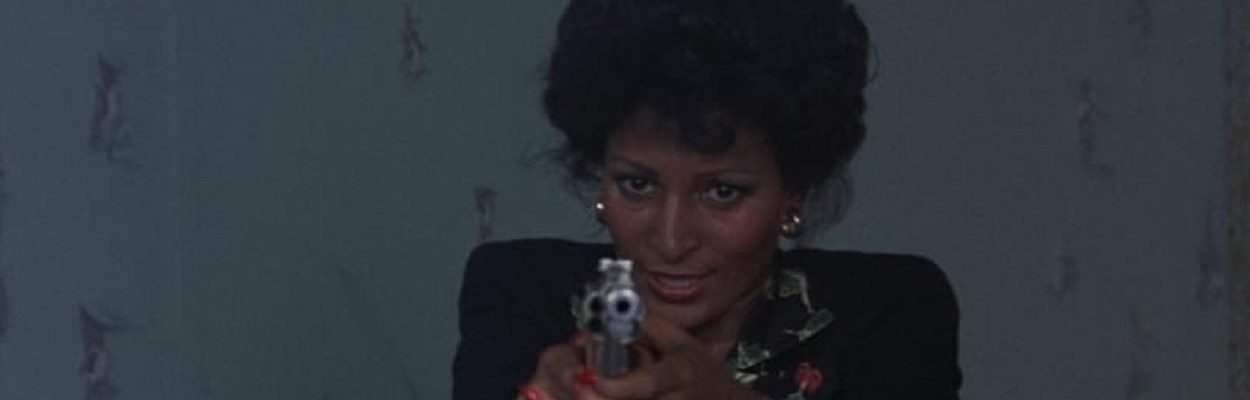
Is it Black History Month yet? Do they still call it that? Well, I’m starting it right now, getting inspired by gorgeous Pam Grier’s knobs, in the low-key entertainment, Sheba, Baby, the 1975 American International Pictures blaxploitation hit directed by William Girdler, and starring Pam Grier, Austin Stoker, D’Urville Martin, Rudy Challenger, Christopher Joy, Dick Merrifield, and Charles Kissinger.
By Paul Mavis
It’s close to universally accepted that of 70s icon Pam Grier’s blaxploitation outings, Sheba, Baby is the weakest one, with shaky scripting, direction, and performances, uneven action, and criminally…no nudity (I know, I know). Still…taken in context, you can enjoy this PG-rated actioner as the most violent episode of Get Christie Love! you never saw, with Grier gamely swimming upstream to make everything everything, baby.
Click to order Sheba, Baby on Blu-ray:
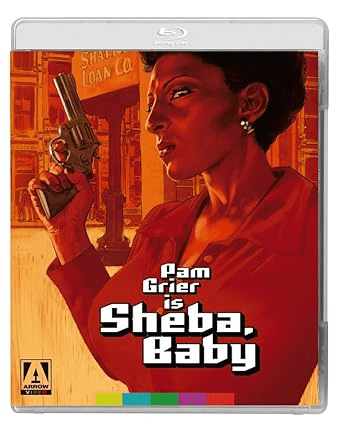
(Paid link. As an Amazon Associate, the website owner earns from qualifying purchases.)
Louisville, Kentucky, late summer 1974. Someone is putting the squeeze on Andy Shayne’s (Rudy Challenger) and Brick Williams’ (Austin Stoker) local loan company, pressuring them to sell-out…or else. Scrappy Andy wants to fight back; he’s proud of his company’s service, and he knows no one else is going to give a fair shake to the neighborhood people when they need money.
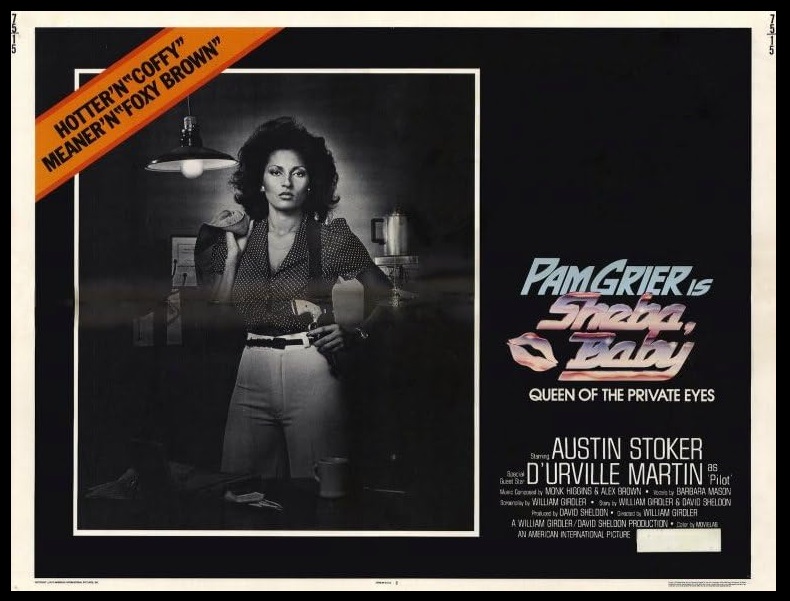
Brick, however, fears for Andy’s life; that’s why he sends a telegram to Andy’s daughter, ex-Louisville cop and now Chicago private dick, Sheba Shayne (Pam Grier). He hopes Sheba’s connections with the cops, like hard-nose Lieutenant Phil Jackson (Charles Kissinger), will help stop the crooks shaking them down.
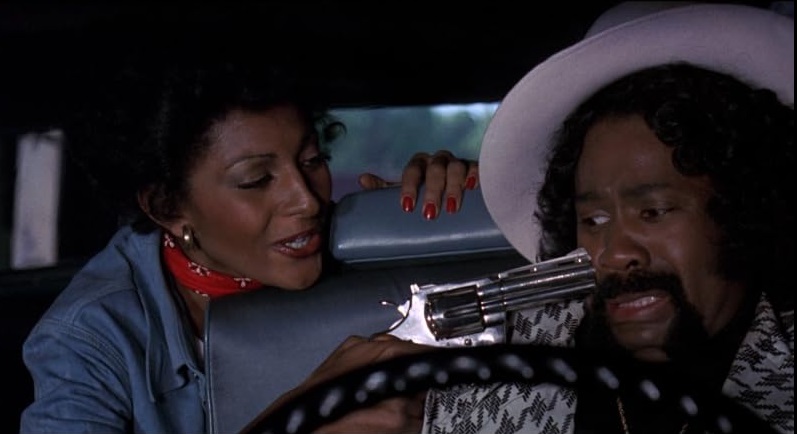
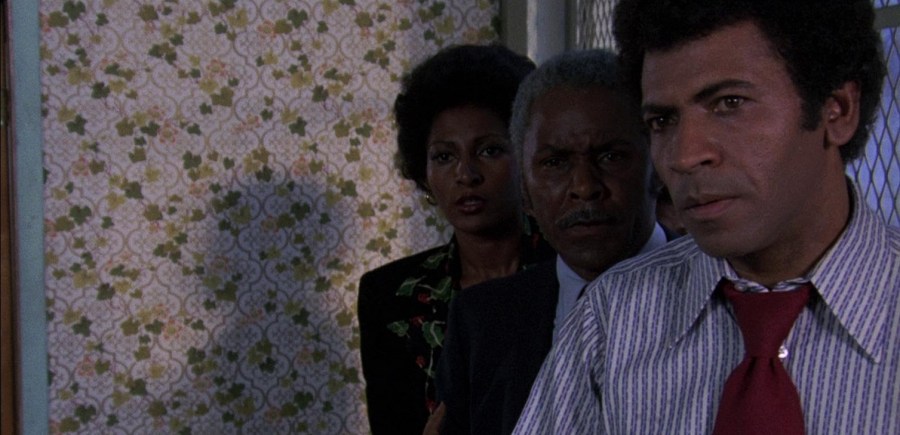
Ballsy Sheba, however, knows the cops won’t do nothing, so she’s willing to take the law into her own hands—something principled former lover Brick disapproves of greatly. However, when the violence against Andy and Sheba is ramped up by mid-level henchman Pilot (D’Urville Martin), Brick finally understands Sheba’s right—you have to fight fire with fire.
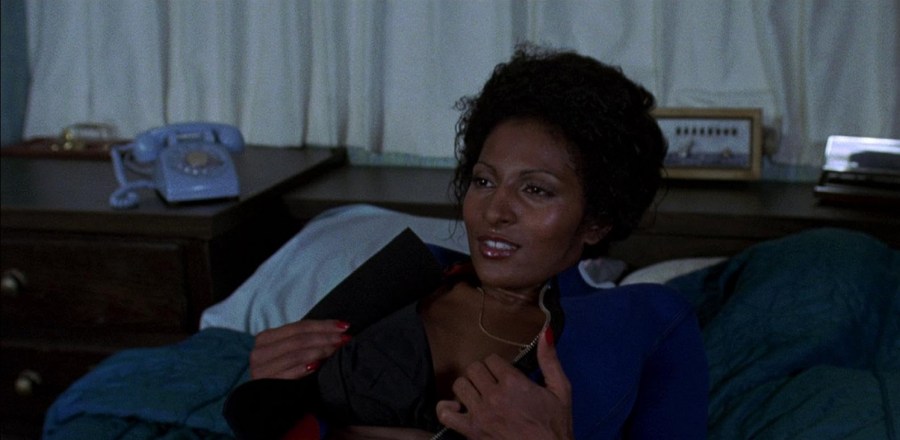
Soon, fine, foxy Sheba is working her way up the ladder of Louisville corruption “by land, sea, and air,” intent on bringing down the city’s “Mr. Big” himself, Shark Merrill (Dick Merrifield,)…with extreme prejudice.
If you were growing up in the mid-70s as was this reviewer, it was impossible not to get amped up over the seemingly non-stop barrage of screaming radio spots, TV ads, and movie trailers announcing the next American International Pictures opus. Every few weeks or so in 1975, when Sheba, Baby was released that March, AIP was unleashing positively exotic-sounding in-house productions and pick-up releases like Super Stooges vs. The Wonder Women, House of Whipcord, The Wild Party, The Reincarnation of Peter Proud, Cooley High, Bucktown, The Land That Time Forgot, Return to Macon County, Walking Tall, Part 2, and Friday Foster (Pam Grier’s final movie on her AIP contract).
It was a golden time for exploitation moviegoing (i.e. movies that make Gen Z uncomfortable in their bathing suit areas), particularly if you had unscrupulous older brothers willing to sneak you into the drive-in for “R”-rated double bills (for a fee, of course), or busy parents who only saw that “PG” rating in the newspaper ad and flipped you 50 cents to see a deceptively benign “parental guidance suggested” matinee.
That’s how I saw Sheba, Baby, and let me tell you: I really thought I was getting away with something. Most mainstream movies and practically every television series back then were still remarkably chaste and sedate compared to today’s offerings, so seeing Sheba, Baby with all the shootings and blood and swear words (…and the hoped-for skin that depressingly never came), was akin to watching some alternate-dimension, crack-fueled Mannix episode.
RELATED | More 1970s movie reviews
And that’s more than fine for a 9-year-old…but honestly, the Sheba, Baby experience doesn’t hold up quite the same way, 50 years later. According to screenwriter David Sheldon, as well as other sources, Sheba, Baby came about from a quickly re-worked script entitled “Honor.” “Honor” was the original script for Pam Grier’s 1973 smash hit, Coffy, before director Jack Hill jettisoned it for his own re-write.
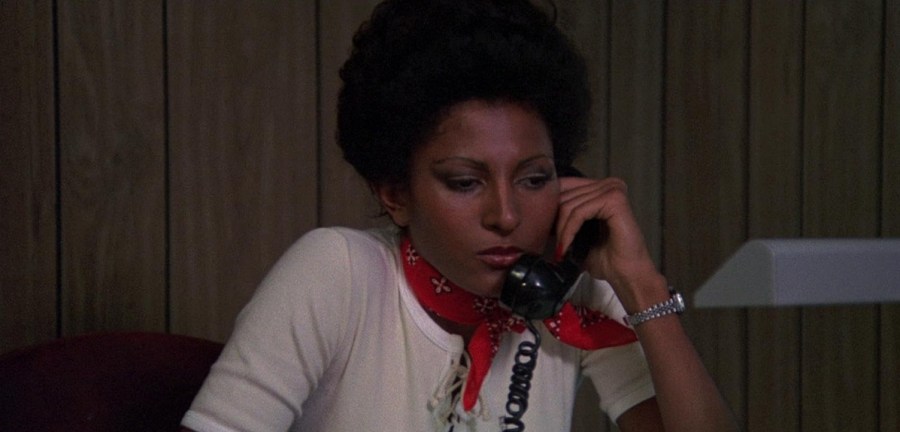
The following year, when AIP’s Sam Arkoff came to Sheldon, who was head of production for AIP (and soon to be out the door for hoped-for greener pastures), asking for a vehicle for their popular contract star, Pam Grier, Sheldon got on the horn with Kentucky-based director William Girdler, Sheldon’s production partner, and reworked “Honor” over the phone, in one night. The script was presented to Arkoff the next morning, who had a reader immediately go over it.
Not only was it quickly greenlighted, but a scheduled extra week of shooting—at an additional $100,000—was added to AIP’s standard 3-week $300,000 shooting budget, indicating Sheba, Baby‘s special status as a “star vehicle” for AIP’s valuable actress (apparently, concessions were made to Grier, as well, who requested no nudity and an elevated wardrobe budget). Reportedly, there was friction on the set between Grier and director Girdler, but the movie, shot on location in Louisville (and one day in Chicago), came in on time and on budget in late summer, 1974, and was released in the spring of 1975.
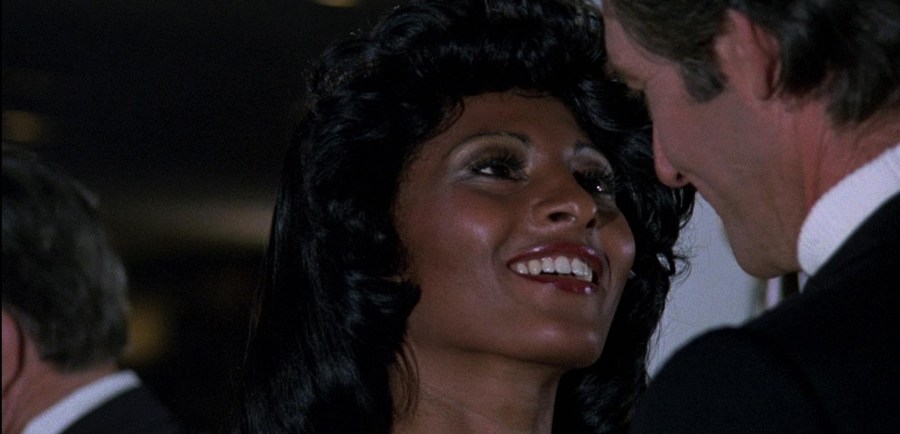
While most sources indicate Sheba, Baby was a financial success (after prints and ads and other above-line costs, the budget’s final tally was probably closer to a million, according to Sheldon), it made less than Grier’s previous “R”-rated AIP actioners, Coffy and Foxy Brown. Two more Grier outings for AIP that year, Bucktown (where she was second-billed to Fred Williamson) and Friday Foster, scored even less scratch at the b.o.. It looked like the blaxploitation craze had burned out fast.
Grier, hoping to ride her newfound fame, left the studio for A-list freelancing assignments, where her leading lady status quickly withered in unsuccessful projects like 1976’s Drum and 1977’s Greased Lightning, proving the old Hollywood adage: you’re only as hot as your last picture. The talented actress disappeared for years off the big screen, sporadically coming back for character roles in projects like 1981’s Fort Apache: The Bronx and 1983’s Something Wicked This Way Comes, before settling into a long—but no longer leading lady—career on the stage and screen.
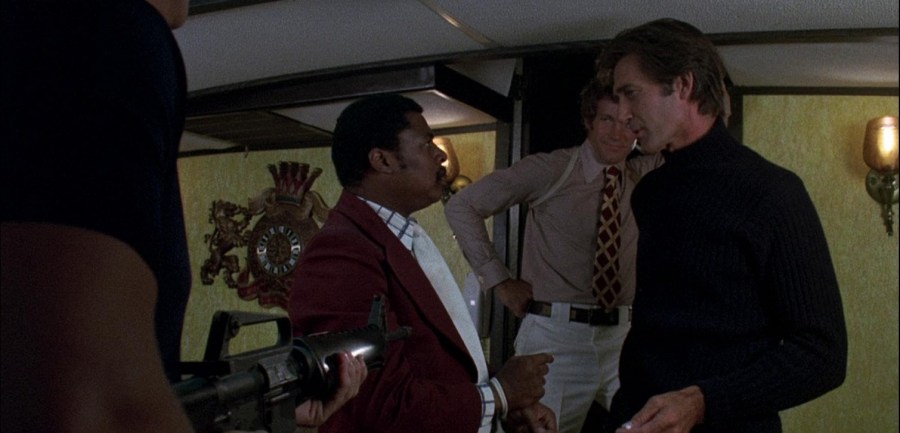
Critics of Sheba, Baby often point to its overly-recognizable, reworked storyline as one of its main drawbacks, but such familiarity in an exploiter like this doesn’t need to be a drawback—in fact it can be a big bonus. Since the audience already knows what’s coming in terms of the story, the director can concentrate on really delivering the goods, so to speak, the conventions of the genre, to the best of his or her abilities.
Style and energy can trump originality if you’ve got the talent. And it’s not like there aren’t interesting elements in Sheba, Baby‘s script. The feminist angle here, in the notoriously male-centered blaxploitation genre, is reason enough to pay closer attention. When Grier confidently walks down the streets of Chicago like she owns them, or comes right back at paternalistic Stoker, telling him, “I’m not going to sit on the sidelines just because I’m a woman,” or starts kicking ass like a man, pushing around guys with a gun and a smart mouth, she’s as (if you’ll pardon) ballsy as Shaft or Superfly or Slaughter.
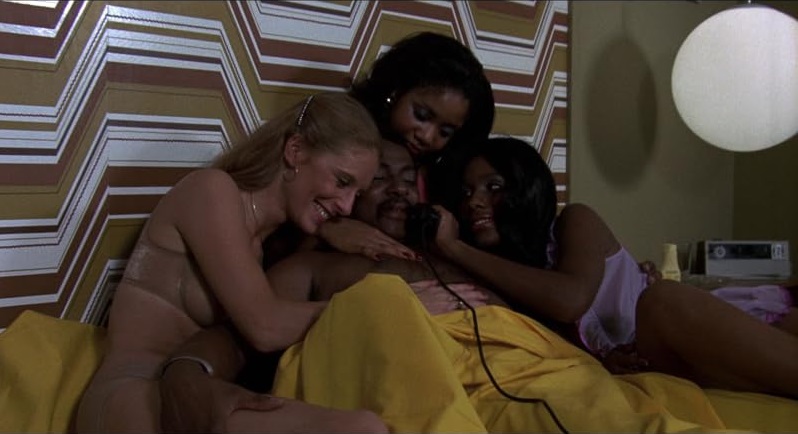
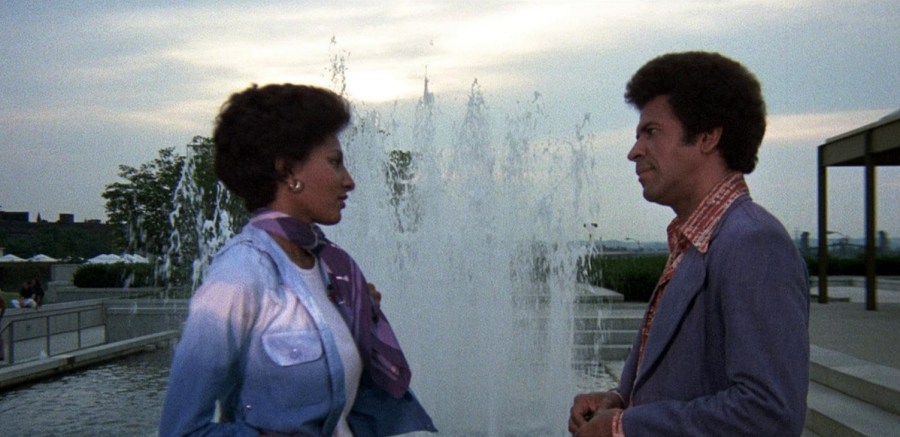
Sheba, Baby doesn’t need to turn into a feminist lecture (which it smartly avoids); the sight of Grier in action says it all: you think women are weak? Well…you’re gonna get your ass kicked for that. That end theme, “She Did It,” perfectly encapsulates her power, a power which isn’t equal to a man’s, but greater…since they’re all dead and she’s winging it back to Chi-town (it’s a shame Sheldon and Girdler didn’t contrast her softer side more here; she’s terrific with the equally sensitive Stoker in the quieter, romantic scenes).
It’s not overstating it to say Sheba, Baby satisfies enough just by having Grier in almost every scene; she’s a star, regardless of the depth of her performance, and she’s always interesting no matter what she’s doing on camera (people often say she was misused by Hollywood because of her race, which no doubt was a part of her career woes…but lots of promising, exciting performers crapped out in Tinsel Town before and since, and for all kinds of reasons).
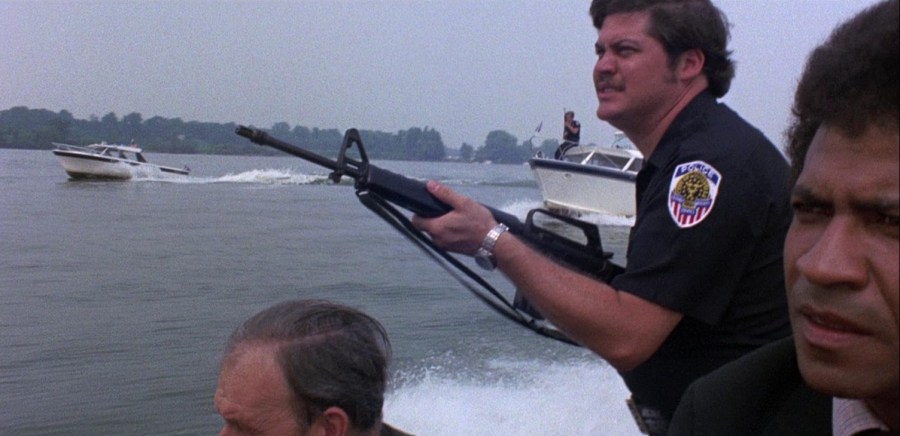
She looks terrific in Sheba, Baby: sleek and elegant with that bumped-up wardrobe budget. You can’t take your eyes off her. And in any other kind of movie, that would be enough. However, this is still exploitation moviemaking, no matter how much Grier and AIP and everyone else paid lip service to making something a little more sophisticated. There are certain conventions in that genre that must be honored…and those would be action and nudity, in that order.
Deliberately withhold them, and you can’t help but disappoint your core audience (according to some, a nude scene was shot and released in the European version…but nobody has ever actually confirmed that). No matter how sexist it may read (particularly after the above paragraph), frankly it’s a waste not seeing Grier the way we saw her in Coffy and Foxy Brown: partially nude.
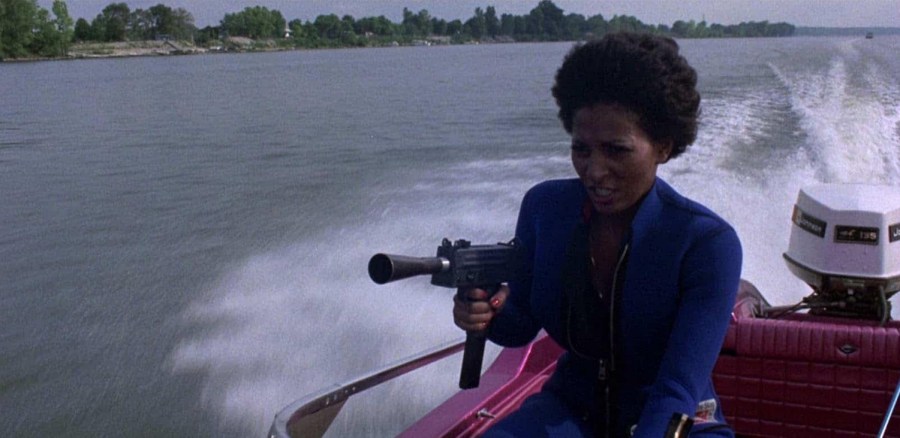
Not featuring one of the sexiest, most desirable women of 70s cinema in some form of undress—when her audience clearly rewarded the box office because of that—is not unlike taking stripped-to-the-waists Stallone and Schwarzenegger in their “action gods” prime, and having them play CPAs in button downs and sweater vests. It’s not only counterproductive to the movie’s b.o. health, it’s a denial of the primal appeal of the star. And Sheba, Baby suffers unnecessarily for this unwanted chasteness.
Still, even with the “no nudity” stipulation, Sheldon and particularly Girdler could have amped up Grier’s sexiness without resorting to undressing her. Unfortunately, a visibly-at-times grumpy Grier doesn’t look like she’s in the mood to vamp around in Sheba, Baby (in her autobiography, Sheba, Baby is merely noted in one sentence, with no comment).
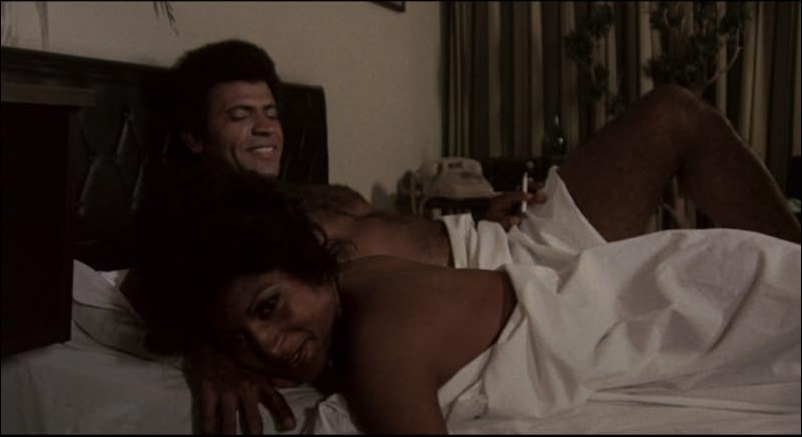
Maybe it was the rumored friction between her and the director. Maybe she was itching to capitalize on her new-found fame in A-list product, and not in shabby AIP boiler plate. Who knows. But it does show, and that’s the director’s fault for not getting the most out of a performer who can’t help but be sexy.
But then again, Girdler fumbles quite a bit of Sheba, Baby, including the other basic requirement of exploitation moviemaking: action. I’m a fan of some of Girdler’s outings (Grizzly is awesome derivative crap), but let’s not get crazy and call this now-cult director a could-have-been-new Spielberg.
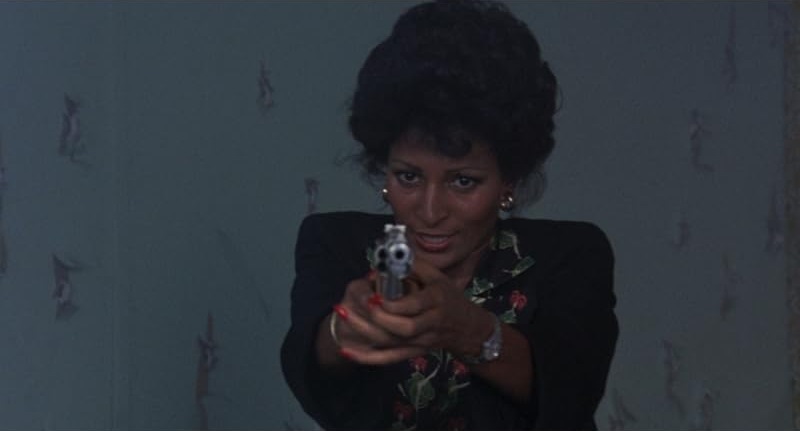
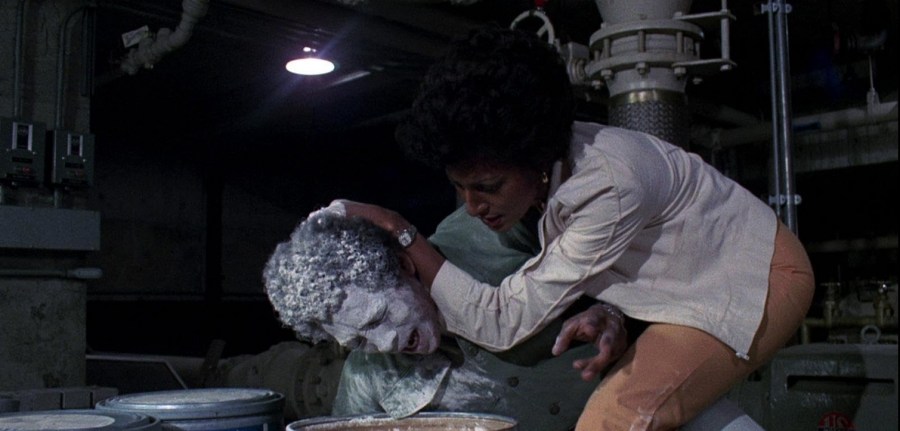
Forget the dialogue scenes, which are as stiffly blocked and guided as most of the performances (with the exception of Christopher Joy’s clown, Walker, who single-handedly steals the movie in a hilarious, beautifully alive cameo). The action scenes should deliver, but with the exception of one—the nicely-choreographed loan office shoot-out, which seems like it came from another movie—the rest are mediocre at best…or downright inept.
Potential set-pieces are wrecked by flat location work (the guy grew up in Louisville…why does he make it look so drab and uninteresting?), unimaginative framing, uninspired blocking, and piss-poor editing. The nighttime train museum fight is ruined by bad gags (that guy getting “hit” by the car is laugh-out-loud funny) and no build. The state fair chase should shoot itself, but Girdler manages to flatten it out to sub-par Barnaby Jones work (he couldn’t find one good angle there?), with silly, awkward fisticuffs and no pay-off.
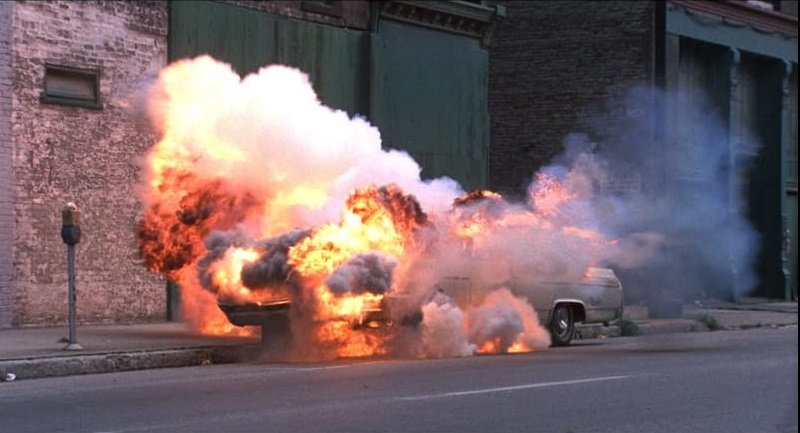
As for the finale, when Girdler channels Thunderball with a Dr. Goldfoot and the Girl Bombs budget, we get endless shots of a bored-looking Grier slinking back and forth to the boat, before she’s glumly chasing the villain on the muddy green Ohio, ready to harpoon him of all things.
Damn few of the shots line up (we never get the geography of the fight correct in our heads), and worse…its pacing isn’t Bond-like, but Blah-like. That cool end theme “She Did It,” playing over Grier simply walking around and acting cool, sends you out on an upper…but there’s no question you wish you were 9-years-old again.

Read more of Paul’s movie reviews here. Read Paul’s TV reviews at our sister website, Drunk TV. Visit Paul’s blog, Mavis Movie Madness!…but mostly TV.
 Movies & Drinks