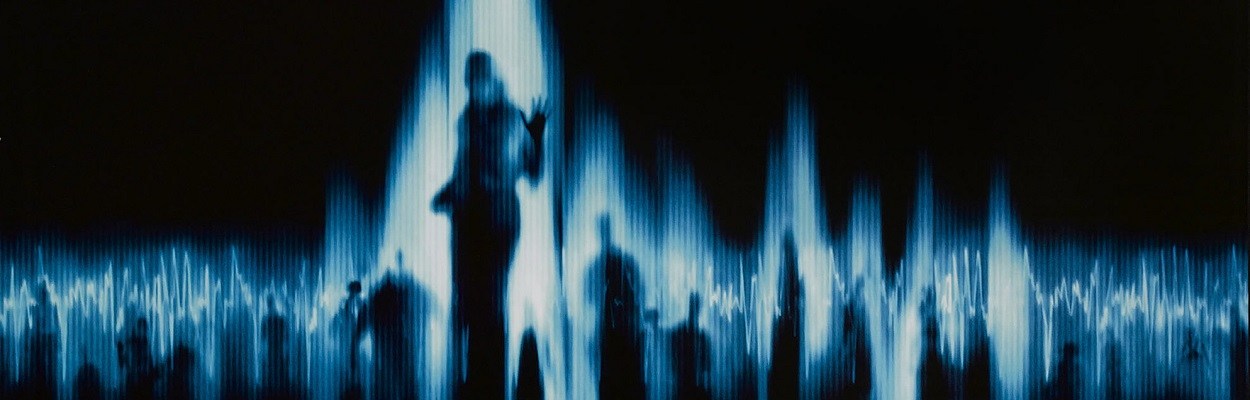
Sometimes the journey is better than the destination, and that’s no different on the silver screen. (At least a lot of people bought tickets.)
By Jason Hink
Arriving on Blu-ray from Mill Creek Entertainment is White Noise, the 2005 Canadian thriller from Gold Circle Films, distributed by Universal Pictures here in the States, starring man-of-many-mugs Michael Keaton, Deborah Kara Unger, Chandra West, and Ian McNeice. In the end, White Noise is a muddled mess, but the first two-thirds are engaging, pseudo-supernatural, and creepy…and ultimately changed the way studios feel about the traditional January “dumping ground” for unpromising films.
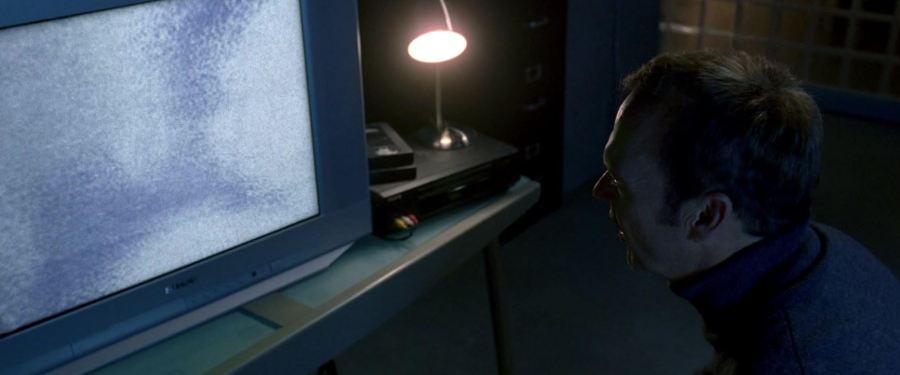
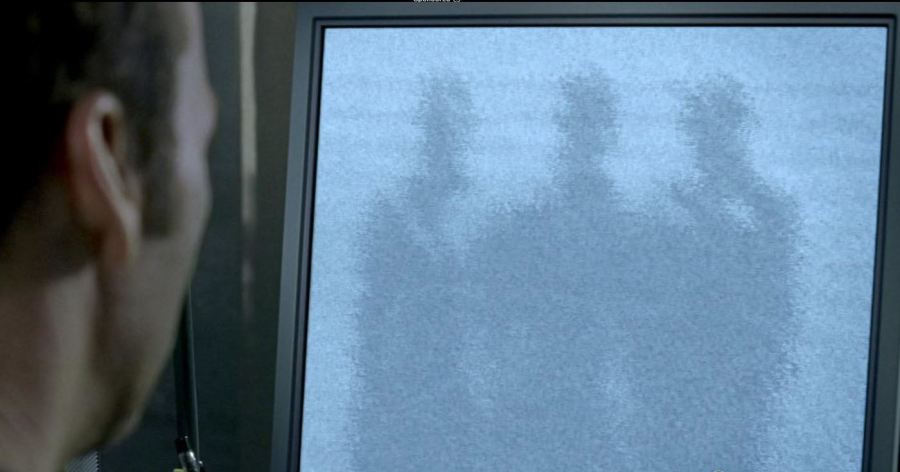
And if that noise isn’t white enough for you, Mill Creek’s Blu-ray comes as a double-feature with the 2007 sequel, White Noise 2. (That’s a lot of white noise, isn’t it? Should have no trouble sleeping tonight.)
Click to order White Noise/White Noise 2 on Blu-ray:

(Paid link. As an Amazon Associate, the website owner earns from qualifying purchases.)
Architect Jonathan (Michael Keaton) is married to best-selling author Anna (Chandra West), average rich folk living it up in their fancy home just before the smartphone boom (it’s 2005; they have cell phones but everyone in this film still uses their landline, except when needing to make a call while driving). Anna, who’s pregnant, leaves one night for an evening with with her girlfriend, leaving Jonathan home alone to stare at the TV, listen to the radio, and generally look bored (however, he is drinking wine, and his wine glass is the size of a salad bowl, and I want one).
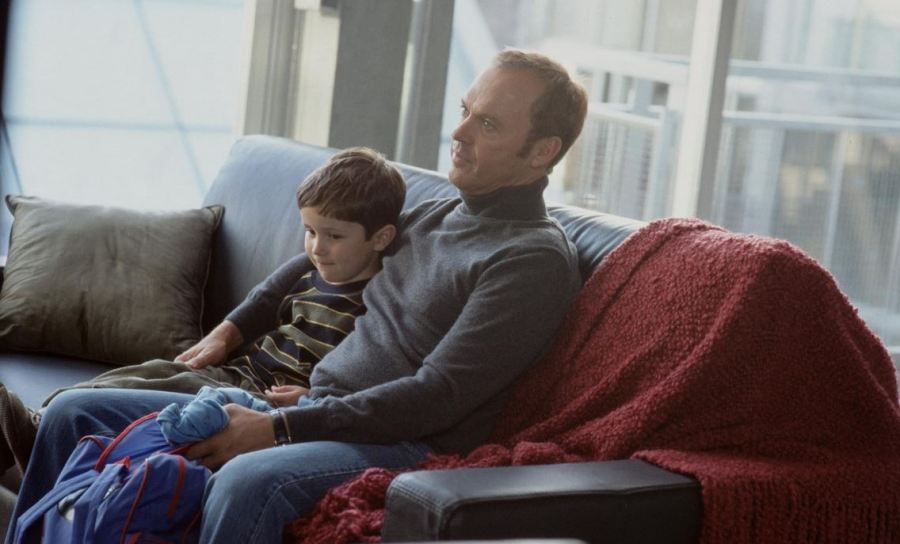

As evening turns into night, Jonathan attempts to check in by calling Anna’s friend…but gets a message machine. Night turns into late-night, and then overnight; after several calls and the clock reading 2:30am, it’s apparent something’s up, and just maybe something is wrong. Jonathan, still drinking wine out of his fishbowl, reaches the height of worry when it’s confirmed: Anna…has gone missing. And after a few days, he gets the visit from police nobody wants to get. Anna’s car’s been found next to a waterside bank where police say she likely fell in, and was washed away in the surf.
What a bummer. Or is it?
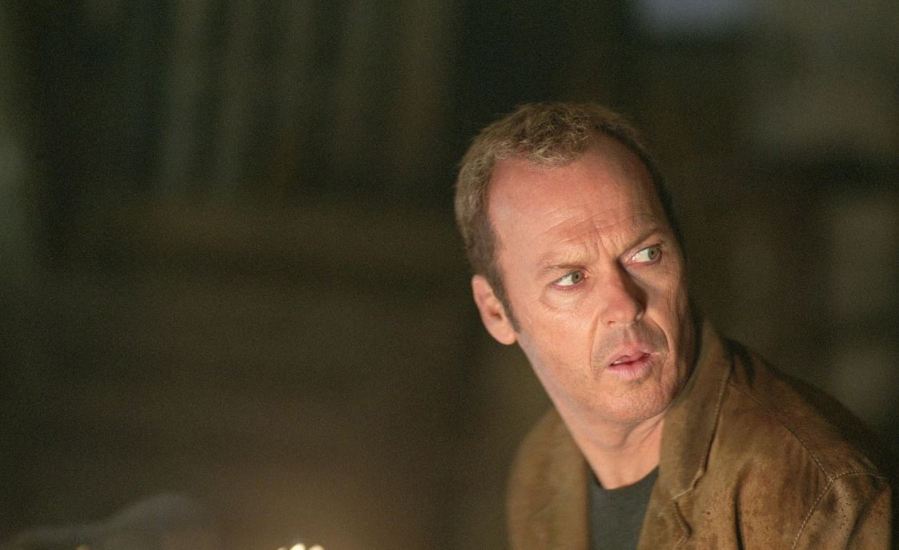
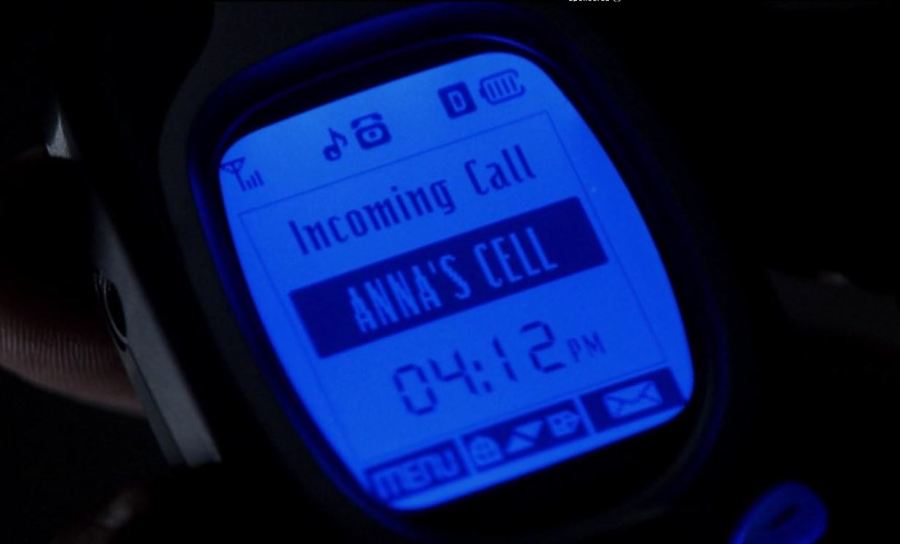
Soon, Jonathan eases back into his life, minus his famous wife and unborn child, taking turns watching his young son (Nicholas Elia), who spends most of his time (or most of this movie, at least) with his mother (Sarah Strange), who I assume is Jonathan’s ex-wife. But life takes an eerie turn when he notices a mysterious man (Ian McNeice) following him. Jonathan, having been tailed to his architecture firm’s office, confronts the man and finds he is using something called electronic voice phenomena (EVP) to communicate with the dead through televisions and radios, recording beeps, blips and bleeps of audio and video, some of which he claims to be coming from Jonathan’s dead wife, Anna.
RELATED | More 2000s film reviews
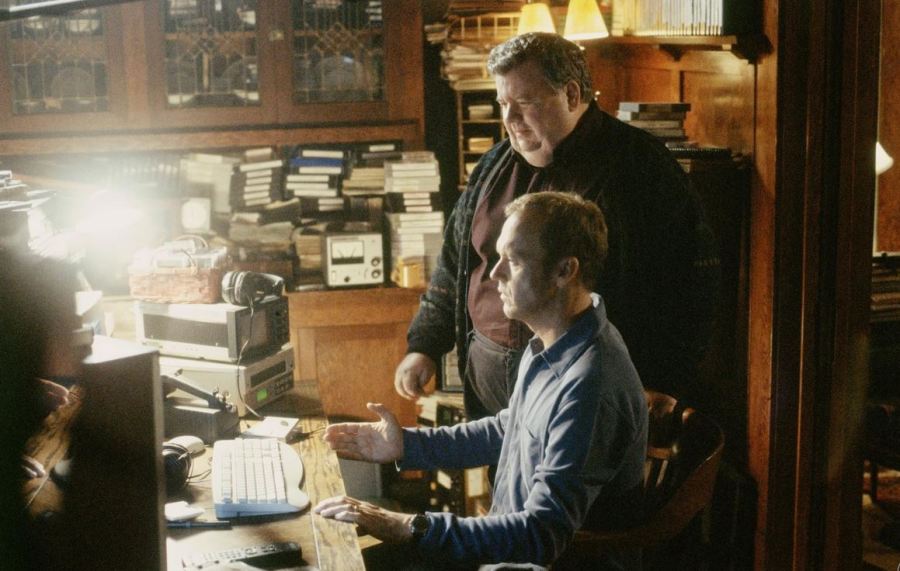

Remember watching the TV show Lost, and being disappointed at the ending? Or The Sopranos? Or more recently, Game of Thrones? I was nine years old when I watched the sci-fi family flick Explorers (1985), and even at that young age, there was something about the final third of the movie that just didn’t work for me, taking away some of the good-will engagement the movie offered up to that point. White Noise is similar to that. It draws you in with a mysterious death and its subsequent investigation, then hooks you when Keaton’s character is stalked by a mysterious figure who turns out to be a potential link between Jonathan and his wife through EVP, a mysterious, real life phenomena that makes the you, viewer, want to know more. Why does this happen? How does it happen? Is it really happening to Jonathan, or is it all some sort of fraud? All good, engaging questions that I wanted answers to as I watched White Noise.
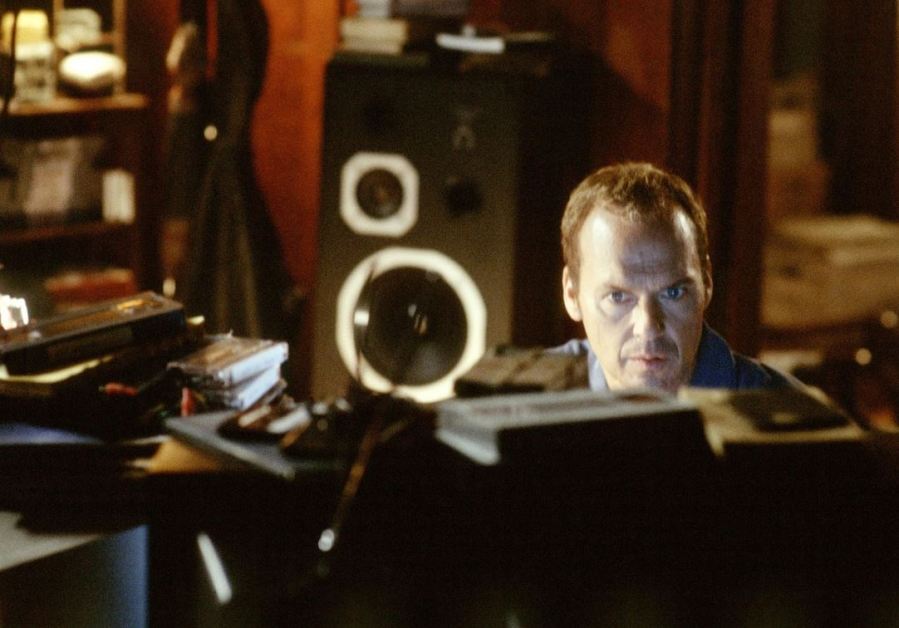
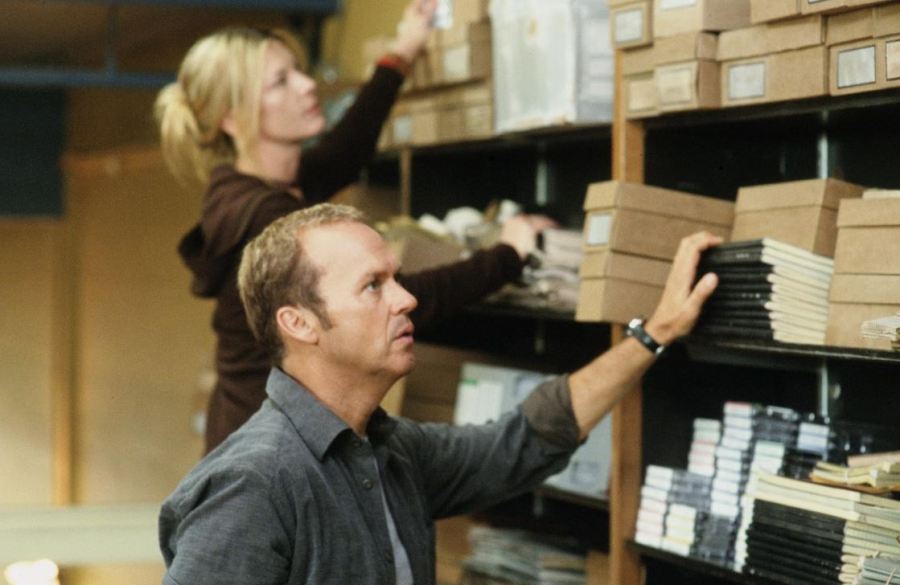
But about two-thirds through, it takes a turn for the worse. Jonathan becomes engrossed in this supernatural “technology,” becoming a sort-of crime fighter himself (Batman?) along with beautiful bookstore owner Sarah (Deborah Kara Unger), who also has traveled down the EVP rabbit hole trying to make contact with her dead fiancé. Jonathan uses EVP to not only gain access to his departed wife, but to help others along the way. Now, this all sounds great…but watching it play out on screen becomes confusing (my girlfriend watched the film with me, and around this point she exclaimed out loud, What is going on with this movie?!?, which made me feel a little better not being the only one confused).
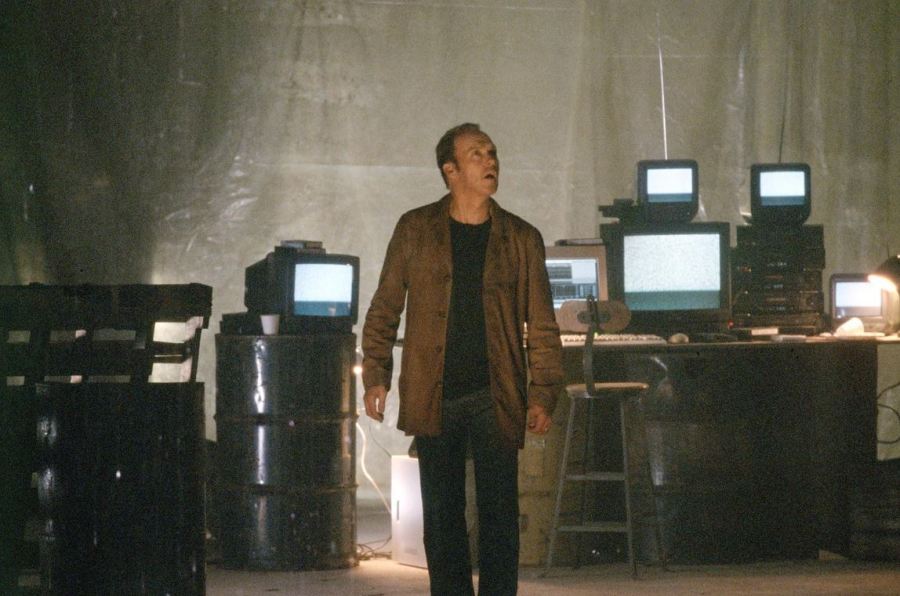

Also intriguing is getting a fictionalized look at what many believe to be a real thing: electronic voice phenomena (EVP). According to the Internet, EVP happens when sounds found on electronic recordings are interpreted as “spirit voices,” often by ghost hunters or parapsychologists. If you’ve watched those ghost hunting shows over the past couple decades on cable TV (I have not), you may be familiar with it. It apparently dates back to the early 1940s and was popularized in the ’70s. As depicted in White Noise, these flashes of “spirit communication” are quite fuzzy, and last only a couple seconds, just managing to get a word or a quick phrase out (which gets recorded on tape for later studying and demystifying). Once Jonathan gets the hang of it, he can’t stop talking to people beyond the grave! But will he finally see his dead wife on screen? And are there any positives that can come of it, like…bringing her back to life? (That’s what I was wondering!)
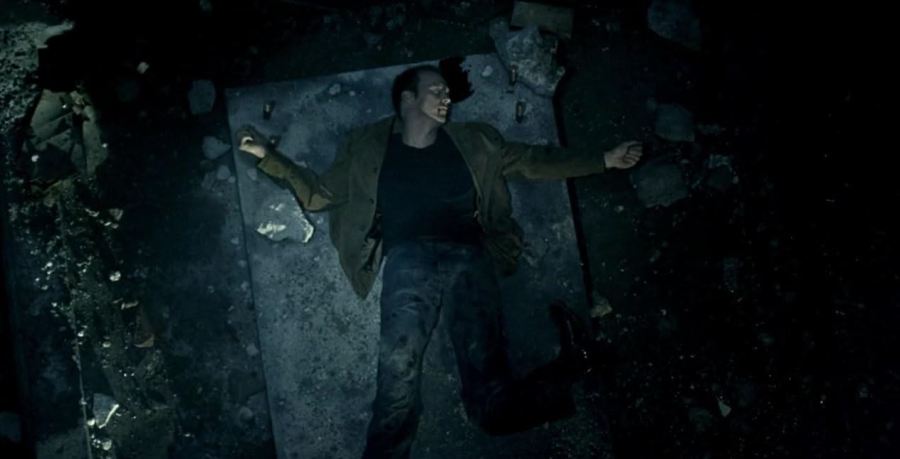

If you think things get confusing two-thirds of the way through (like I did), just wait for the confounding finale. Without spoiling it, I’ll just say that most science-fiction pretenses are dispensed with in the final act as Jonathan finds he’s up against not just fuzzy TV and radio signals leading him to danger, but an otherworldly enemy is up to no good, and may be behind the entire episode. I shouldn’t complain about “not liking the ending” because, just like with Explorers when I was a kid, there’s still much to enjoy in the earlier portion of the film, chiefly the intriguing mystery that keeps you glued to the screen. Like watching Lost, it’s the journey that matters and entertains, even if the ending leaves you cold. But if you’re someone who allows an ending you don’t like to ruin the entire experience, then I don’t know what to tell you.
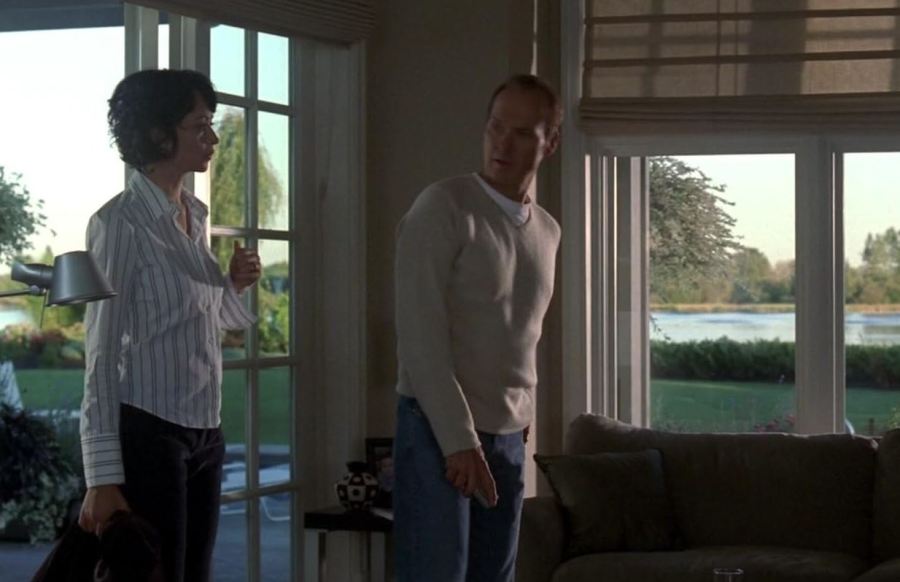
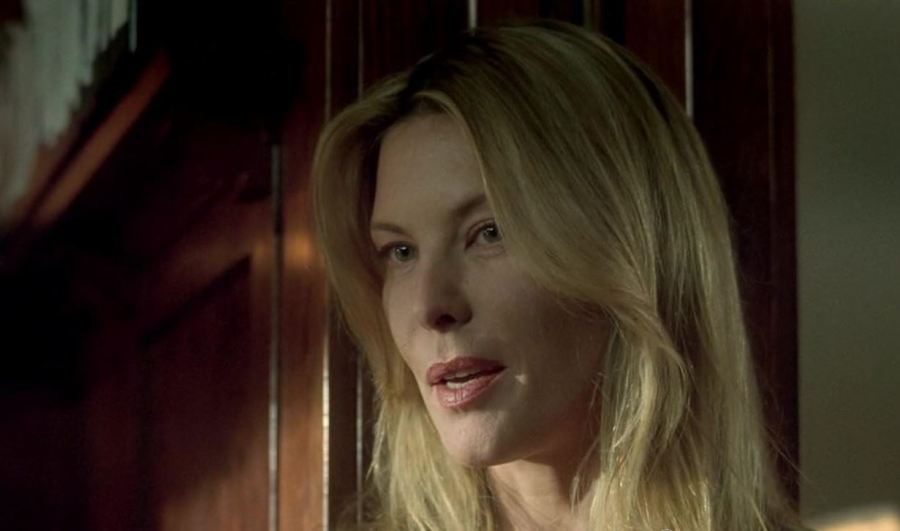
Despite what critics and moviegoers thought, White Noise was a huge success at the box office and forced studios to re-think their strategies for January releases. Hitting theaters on January 7, 2005, White Noise brought in over $91 million (on a $10 million budget), during a time that was long considered a graveyard for unpromising movies—those first weeks after New Year’s, the beginning of the winter dump months. Despite its poor reception, studios took the film’s success as a reason to start programming better-received genre fare in January (such as Paramount’s Cloverfield in 2008, just to name one example). A happy surprise for the suits and bean counters.
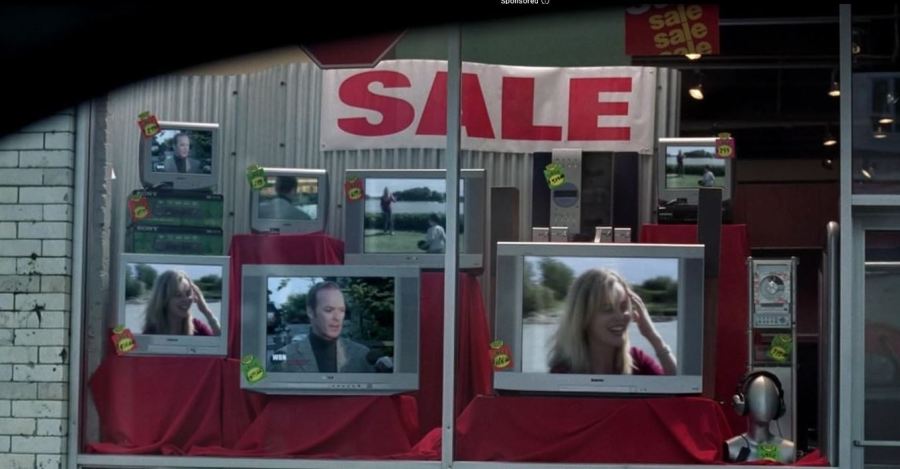

Should you watch White Noise? Of course! Keaton’s and Unger’s performances are solid, and they’re a fun duo to watch (it’s always fun watching Keaton’s over-the-top facial expressions). The first two-thirds of the movie are engaging and, at times, riveting. So, if you don’t like how it ends, just enjoy the journey.
Jason Hink is a writer, editor and content producer. Sign up for his Email Newsletter here. For more of Jason’s reviews, visit here.
 Movies & Drinks
Deborah Kacara Unger is quite attrtive, too much for Michael keaton, but the film other than EVP seems lik it could be of interst. A lot of interest. In 1939 or so, Louis Hayward would do keaton’s part, and be better looking.
LikeLike